Mastering the Woods: Advanced Deer Hunting Tips Used by Expert Hunters


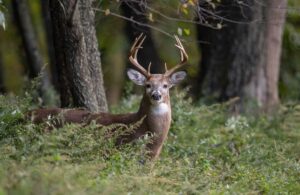
Hunting a mature buck demands far more than basic skills. Expert hunters rely on discipline, awareness, and a deep understanding of whitetail behavior. When you apply advanced deer hunting tips correctly, you gain a potent edge in the woods. These tactics help you read patterns, predict movement, and create opportunities that beginners never see. You learn to hunt smarter, stay hidden longer, and strike at the perfect moment.
If you’re ready to elevate your hunting game, the strategies below unlock the mindset and skills used by seasoned hunters. You’ll follow patterns that mature bucks rely on for survival and act with precision throughout the season. Every move matters, and when you build these advanced skills, you drastically increase your odds of tagging a trophy-class deer.
Understanding Mature Buck Behavior on a Deeper Level
Expert hunters study mature bucks like a long-term research project. These deer avoid risk, conserve energy, and move strategically. Since older bucks behave differently from younger deer, knowing their habits gives you a massive advantage. For example, a mature buck prefers to use the wind, shadows, and thick cover to stay hidden. He rarely exposes himself and travels along edges rather than open fields.
If you want to locate him, you must learn when he feeds, how he beds, and where he travels under pressure. A seasoned buck often uses terrain features such as ridges, funnels, and creek bottoms to stay protected. When you track these patterns, you uncover the hidden routes bucks follow. These insights guide you toward more intelligent stand placement and better hunting timing.
Scouting with Purpose and Observing Micro-Signs
Experts never scout randomly. They scout with purpose, searching for micro-details that others ignore. Fresh rubs, ground scrapes, tiny tracks, and trail intersections reveal valuable information. Instead of only looking for obvious signs, expert hunters study how these signs connect. A single rub means little, but a line of rubs tells a clear story.
As you analyze these patterns, you begin to map the buck’s movements across the landscape. Digital mapping tools also help you track changes throughout the season. When you blend in-person scouting with mapping technology, your understanding becomes precise and dependable. These tools allow you to predict deer travel and set up in locations where mature bucks feel secure.
Using Strategic Stand Placement to Gain the Upper Hand
Stand placement makes or breaks your hunt. Expert hunters know that location matters more than gear. Successful hunters choose stands based on wind direction, thermals, and movement patterns. They never place stands where deer can circle behind them or catch their scent. Instead, they find locations with natural concealment and safe entry routes.
Advanced deer hunting tips focus heavily on placing stands near pinch points, funnels, bedding edges, and transition zones. These areas naturally concentrate deer movement. With the right wind and cover, you remain undetected while deer pass within range. Experts also avoid overhunting a stand. They rotate locations to keep deer relaxed and unaware of their presence.
Perfecting Silent Entry and Exit Routes
Expert hunters move through the woods like shadows. Every step counts. They plan routes that avoid bedding areas, feeding zones, and high-traffic edges. Quiet entry and exit routes reduce pressure and help keep deer calm. When deer don’t sense danger, they stick to their natural travel patterns, giving you more chances to see mature bucks.
To stay silent, savvy hunters use moisture on the forest floor, soft terrain, and natural noise cover, such as wind or rain. They also keep their scent off the brush and branches. When you enter undetected and leave the area clean, deer never learn you’re there. This simple but powerful tactic produces incredible long-term results.
Leveraging Wind, Thermals, and Airflow Like a Pro
Wind direction matters more than almost anything else in deer hunting. Bucks trust their noses. Experts treat wind as their most valuable tool. They avoid hunting when the wind blows toward bedding zones or trails. Instead, they use crosswinds and quartering winds that bring deer toward them without revealing their location.
Thermals also play a huge role. In the morning, cool air sinks. In the afternoon, warm air rises. When you pair wind with thermal movement, you create a nearly invisible presence in the woods. Expert hunters master this skill and consistently stay undetected. When you learn how wind flows across ridges, valleys, and timber, you gain a decisive advantage.
Using Soft Calling and Realistic Behavior Simulation
Expert hunters know when to call and when to stay quiet. They use gentle grunts, subtle doe bleats, and real-life vocal patterns. They never call too loudly or too often. Instead, they call only when conditions feel natural—such as during calm mornings, pre-rut phases, or when a buck already acts curious.
Rattling also works well when used with realistic timing. Light sparring rattles during the early season, and harder, more aggressive rattling during the rut can draw in dominant bucks. However, the key is realism. When your calls match the season, buck age structure, and environment, they sound more convincing and compelling.
Mastering Scent Control Beyond the Basics
Expert hunters treat scent control like science. They wash clothes in scent-free detergents, use ozone machines, and store gear in sealed containers. They also manage their scent in the field by avoiding heavy sweat, wearing layers that wick moisture, and reducing movement. They combine these habits with wind mastery to stay invisible.
Advanced hunters also pay attention to scent contamination on gear, hands, boots, and backpacks. They reduce contact with gas stations, food smells, and synthetic odors before entering the woods. These methods offer a considerable advantage because mature bucks react quickly to unnatural scents.
Adapting Quickly and Reading Situations with Confidence
Expert hunters adapt fast. They adjust stands, move setups, and change strategies when deer behavior shifts. Instead of hunting the same spot out of habit, they make decisions based on fresh activity. They read signs, judge weather shifts, and anticipate movement like experienced trackers.
This ability to adapt separates expert hunters from beginners. When you become flexible, you stop relying on luck and start relying on skill. Each hunt becomes a learning opportunity. Every detail—tracks, wind shifts, feeding changes—guides your next move. These real-time adjustments lead you directly to mature bucks.