How to Choose the Right Fishing Method for Success


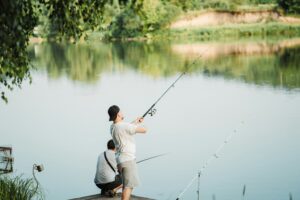
Fishing is both an art and a skill. Many anglers ask the same question: What is the most effective fishing method? The truth is, there is no single answer that fits every situation. However, some methods consistently deliver better results because they match fish behavior, water conditions, and angler skill. When you understand these factors, you can choose the right approach and improve your chances of success.
What Makes a Method Truly Work
An effective fishing method depends on several key factors. First, you need to consider the type of water: freshwater or saltwater. Next, you should think about the species you want to catch. Different fish respond to different techniques, so your method must match their habits.
In addition, timing plays a big role. Fish are more active during certain times of the day, such as early morning or late evening. Weather, water temperature, and season also affect fish behavior. Therefore, the best method is one that adapts to these changing conditions while staying simple enough to use with confidence.
Why Rod and Reel Leads the Way
Among all fishing techniques, rod-and-reel fishing is the most effective for most anglers. It offers flexibility, control, and ease of use. Beginners can learn it quickly, while experienced anglers can refine advanced techniques over time.
This method allows you to cast accurately, adjust your depth, and respond to fish movements in real time. Because of this, it works well in lakes, rivers, and oceans. Whether you are using live bait or artificial lures, rod-and-reel fishing lets you adapt, making it highly effective in many situations.
Matching Your Gear to the Situation
Choosing the right fishing gear can make a huge difference in your success. Spinning reels are great for beginners because they are easy to handle and work well with lighter lines. On the other hand, baitcasting reels offer more control and are better for catching larger fish.
Rod length and strength also matter. A shorter rod gives better control in tight spaces, while a longer rod allows longer casts. In addition, selecting the right fishing line and hooks helps you match your setup to the fish you are targeting. When your gear fits the situation, your chances of catching fish increase significantly.
Techniques That Deliver Consistent Results
Several rod-and-reel techniques stand out for their effectiveness. Casting is one of the most common methods, and it allows you to place your bait exactly where fish are likely to be. For example, casting near rocks, weeds, or docks often leads to more bites.
Another reliable technique is trolling. Anglers use this method by slowly moving a boat while dragging bait or lures through the water. As a result, they can cover a larger area and find active fish more quickly. Jigging is also effective, especially for predatory fish. By moving the lure up and down, you create motion that attracts attention and triggers strikes.
Using the Right Bait and Lures
The choice of bait plays a major role in fishing success. Live bait, such as worms or minnows, often works well because it looks natural to fish. However, artificial lures can be just as effective when used correctly. They come in many shapes, colors, and sizes, allowing anglers to match the local prey.
In addition, changing your bait based on conditions can improve results. For example, bright lures may work better in cloudy water, while natural colors perform well in clear water. By experimenting with different options, you can learn what works best in your fishing spot.
Reading the Water Like a Pro
Successful anglers pay close attention to their surroundings. They look for signs of fish activity, such as ripples, jumping fish, or birds diving into the water. These clues help them decide where to cast their line.
Structure also plays an important role. Fish often gather near underwater features like rocks, fallen trees, or drop-offs. These areas provide shelter and food, making them ideal fishing spots. When you learn to read the water, you spend less time guessing and more time catching fish.
Adjusting Your Approach When Needed
Fishing conditions can change quickly, so flexibility is key. If one method is not working, it is important to try something different. For example, you can change your bait, adjust your depth, or move to a new location.
Additionally, paying attention to feedback helps you improve. If fish are biting lightly, you may need to slow down your technique. If there is no activity, you should switch to a more active approach. By staying adaptable, you can turn a slow day into a successful one.
Building Confidence Through Practice
The most effective fishing method is the one you can use well. Practice helps you improve your casting accuracy, understand fish behavior, and gain confidence in your skills. Over time, you will develop your own style and preferences.
Moreover, learning from experience makes each trip more enjoyable. Even when you do not catch many fish, you gain valuable knowledge that helps you succeed in the future. With patience and practice, you can turn any method into an effective one.
Bringing It All Together
While many fishing method exist, rod-and-reel fishing remains the most effective in most situations. It offers versatility, control, and the ability to adapt to different environments. However, success also depends on your gear, technique, and understanding of the water.
When you combine the right method with smart decisions and consistent practice, you improve your chances of catching fish every time. Fishing is not just about luck; it is about learning, adapting, and enjoying the process. With the right approach, every trip can become a rewarding experience.