From Casting to Trolling: Choosing the Right Fishing Method


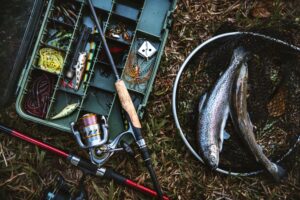
Fishing is an enjoyable outdoor activity that combines patience, skill, and knowledge of aquatic environments. Whether you fish in freshwater lakes, rivers, or open oceans, choosing the right technique can make a big difference. Casting and trolling are two popular fishing methods, each offering different advantages depending on the target species, water conditions, and fishing location.
Understanding how these techniques work helps anglers improve their performance and make better decisions on the water. While casting provides greater control over lure placement, trolling allows anglers to cover larger areas while moving through the water. Evaluating both methods can help beginners and experienced fishing enthusiasts develop more effective strategies.
Understanding the Basics of Casting
Casting is one of the most widely used fishing techniques. It involves throwing a baited hook or artificial lure into a selected area and retrieving it to attract fish. Anglers use fishing rods and reels to control the distance, direction, and movement of their casts.
This technique is particularly useful when fishing near structures such as rocks, submerged trees, docks, and vegetation. These areas often provide shelter and feeding opportunities for different fish species.
Successful casting requires good timing, accurate movement, and an understanding of lure presentation. Anglers must also choose equipment suited to the target fish and fishing environment. With regular practice, they can improve casting distance and accuracy while reducing line tangles and other common problems.
Exploring the Benefits of Trolling
Trolling is a fishing technique that involves pulling bait or artificial lures through the water while a boat moves forward. The movement creates a natural presentation that can attract fish over a wider area.
This method is commonly used in lakes, reservoirs, and coastal waters. It is especially helpful when targeting fish that move through open water or follow particular feeding patterns. By adjusting boat speed, lure depth, and fishing direction, anglers can experiment with different presentations.
Another advantage of trolling is its ability to cover large sections of water without requiring repeated casting. Multiple fishing lines may also be used when local regulations allow, increasing the chances of locating active fish.
Comparing Casting and Trolling Techniques
Casting and trolling offer different approaches to finding and catching fish. Casting focuses on accuracy and controlled lure movement, making it suitable for fishing around specific structures or visible feeding areas. Trolling focuses on movement and coverage, helping anglers search larger areas when fish locations are uncertain.
The choice between these methods often depends on the fishing environment. In smaller ponds, narrow rivers, or areas with heavy underwater vegetation, casting may provide better control. In deeper lakes and open coastal waters, trolling can be more effective for locating fish that move across broad areas.
Both techniques require patience and observation. Successful anglers pay attention to water temperature, weather conditions, fish behavior, and seasonal changes before selecting their approach.
Choosing the Right Fishing Equipment
Using appropriate equipment is essential for getting good results from either casting or trolling. Casting generally requires a rod and reel that are comfortable to handle, offer accurate control, and provide enough strength for the intended fish species.
Spinning reels are popular among beginners because they are relatively easy to operate. Baitcasting equipment can offer greater precision and control for more experienced anglers.
Trolling requires equipment that can handle continuous line movement and the pressure created by larger fish. Strong rods, suitable reels, reliable fishing lines, and properly selected lures are important. Some anglers also use depth-control devices and fish finders to locate underwater structures and monitor fish activity.
Selecting quality equipment that matches local conditions can improve performance and make fishing more enjoyable.
The Importance of Water Conditions and Fish Behavior
Environmental conditions play an important role in determining which fishing technique is most suitable. Water clarity, depth, current, temperature, and weather can influence where fish gather and how they respond to bait.
For example, fish may move toward shaded areas or underwater structures during bright conditions. During cooler periods, some species may become less active or move into deeper water.
Casting allows anglers to target these specific locations with carefully controlled presentations. Trolling lets anglers search different depths and identify areas where fish are actively feeding.
Understanding these patterns helps anglers adapt their methods instead of relying on the same approach throughout every fishing trip.
Safety and Responsible Fishing Practices
Safe and responsible fishing should always remain a priority. Anglers should check local fishing regulations, follow catch limits, and use appropriate equipment. When fishing from a boat, wear a properly fitted life jacket and monitor weather conditions.
Responsible fishing also includes protecting aquatic habitats, avoiding unnecessary waste, and handling fish carefully. Practicing catch and release when appropriate can help support healthy fish populations.
Finding the Best Approach for a Successful Fishing Trip
Casting and trolling are both valuable fishing techniques, but their effectiveness depends on the environment, target species, and individual fishing goals. Casting offers precision and control, while trolling provides broader coverage and helps locate fish across larger areas. Learning both methods gives anglers greater flexibility and confidence. By understanding equipment, water conditions, and fish behavior, fishing enthusiasts can make informed choices and enjoy more productive, rewarding experiences on the water.