Can You Fish in Colorado Without a License? A Clear Guide for Anglers


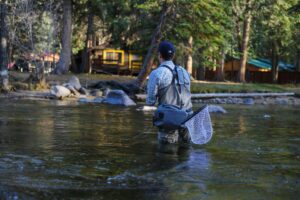
Fishing in Colorado is a popular outdoor activity, thanks to the state’s clear mountain streams, alpine lakes, and well-managed reservoirs. However, many beginners and visitors often ask whether it is possible to fish without a license in Colorado and what the rules actually say. The short answer is that in most cases, you do need a fishing license to fish legally in Colorado, but there are several important exceptions and special days when you can fish without one.
Fishing License Rules in Colorado
In Colorado, fishing regulations are managed by the state wildlife authority to protect fish populations and maintain healthy ecosystems. Most anglers aged 16 and older are required to carry a valid fishing license before casting a line. This rule applies to both residents and non-residents, and it covers fishing in rivers, lakes, and most public waters.
The rules are enforced by Colorado Parks and Wildlife, which oversees fishing seasons, limits, and habitat protection. Even if you are fishing for catch and release, a license is still generally required. The goal is not only regulation but also conservation, since license fees directly support fish stocking and habitat restoration across the state.
When You Do Not Need a Fishing License
Although Colorado has strict licensing rules, there are specific situations where you can legally fish without purchasing a license. One of the most common exceptions is age-based. Children under 16 years old are allowed to fish without a license, making it easier for families to introduce kids to the sport.
Another key exception involves certain private water bodies. If you are fishing on privately owned ponds or lakes that are not open to the public, you may not need a state fishing license. However, property owners can set their own rules, so permission is still required before fishing on private land.
Additionally, there are special statewide events known as “free fishing days,” which temporarily allow anyone to fish without a license. These days are designed to encourage new anglers to try fishing and experience Colorado’s outdoor resources.
Free Fishing Days in Colorado
Colorado typically hosts annual free fishing days, usually in early summer, when residents and visitors can fish legally without purchasing a license. These events are widely promoted by Colorado Parks and Wildlife and are intended to promote outdoor recreation and environmental awareness.
During free fishing days, all other fishing regulations still apply. This means anglers must still follow daily bag limits, size restrictions, and specific water rules. The only thing waived is the requirement to purchase a fishing license, not the responsibility to follow conservation laws.
These days are especially popular among beginners who want to try fishing before committing to a license. Many families use this opportunity to take children fishing for the first time, explore local lakes, and learn basic fishing skills without financial pressure.
Age, Residency, and Special Exemptions
Colorado law provides several exemptions beyond children and free fishing days. Active-duty military members who are stationed in Colorado may qualify for discounted or exempt licenses depending on their status. Similarly, senior citizens may be eligible for reduced-cost licenses, though they are not always fully exempt.
There are also exemptions for individuals with certain disabilities or medical conditions in some cases, although these typically require documentation and approval. These policies aim to make fishing more inclusive while still supporting conservation funding through license programs.
Residents should also note that being a Colorado resident does not automatically grant exemption. Both residents and non-residents must generally purchase a license unless they fall into one of the specific exemption categories or are participating in a free fishing event.
Penalties for Fishing Without a License
Fishing without a valid license in Colorado when one is required can lead to fines and legal consequences. Game wardens regularly patrol popular fishing areas to ensure compliance with state regulations. If caught without a license, anglers may be issued a citation and required to pay a penalty.
In more serious or repeated cases, penalties can increase, including higher fines or additional restrictions on future fishing privileges. These enforcement measures are in place to discourage illegal fishing and protect wildlife resources.
It is important to understand that these rules are not meant to discourage fishing but to ensure sustainable management of fish populations. The money collected from licenses helps maintain healthy ecosystems for everyone to enjoy.
How to Get a Fishing License in Colorado
Getting a fishing license in Colorado is a straightforward process. Licenses can be purchased online, at licensed retail stores, or at official offices managed by Colorado Parks and Wildlife. The online option is the most convenient, allowing anglers to buy and print their license instantly.
There are different types of licenses available depending on your needs. You can choose from annual licenses, short-term licenses for visitors, or combination packages that include hunting privileges. Prices vary based on residency status and license type, but the process is designed to be simple and accessible for most people.
Before heading out, anglers should also review local fishing regulations, including season dates and catch limits. This ensures compliance with the law and helps protect Colorado’s diverse aquatic environments for future generations.
So, can you fish in Colorado without a license? The answer is yes, but only in specific situations such as being under the age of 16, fishing during designated free fishing days, or fishing in certain private waters with permission. Outside of these exceptions, a valid fishing license is required for most fishing activities.
Understanding these rules not only helps you avoid fines but also supports conservation efforts across the state. With properly managed regulations and funding from fishing licenses, Colorado continues to offer some of the best fishing experiences in the United States.