Best Time to Visit Chile: Weather, Festivals & Travel Advice


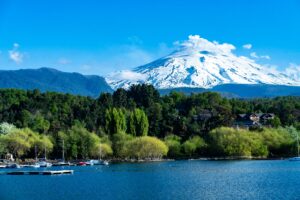
Chile stretches across thousands of miles along South America’s Pacific coast, giving travelers an impressive mix of deserts, mountains, vineyards, cities, glaciers, and beaches. Because the country covers so many climate zones, choosing the best time to visit Chile depends largely on where you want to go and what you want to experience. A summer trip to Patagonia feels very different from a winter escape to the Atacama Desert.
Weather also plays an important role in planning outdoor activities. Meanwhile, seasonal festivals can add culture, music, food, and local traditions to your itinerary. Understanding Chile’s seasons will help you choose travel dates that match your interests, budget, and preferred activities.
Understanding Chile’s Seasons
Chile lies in the Southern Hemisphere, so its seasons run opposite to those in the United States. Summer generally lasts from December through February, while winter falls between June and August. Spring covers September through November, and fall usually runs from March through May.
However, Chile’s long geography creates major regional differences. Northern Chile stays dry for much of the year, while central areas experience a Mediterranean-style climate. Southern Chile receives more rain and cooler temperatures. Therefore, travelers should consider specific destinations instead of relying on one national weather pattern.
Visiting Chile During Summer
December through February is one of the most popular periods for Chile travel. Warm weather makes this season especially attractive for Santiago, the central coast, the Lake District, and southern destinations. Long daylight hours also give visitors more time for sightseeing and outdoor adventures.
Summer is particularly important for travelers planning to explore Patagonia. Hiking routes and national parks become more accessible during the warmer months. However, this popularity can mean larger crowds and higher accommodation costs. Therefore, booking hotels, tours, and transportation early can make the trip easier.
Exploring Chile in Fall
March through May brings cooler temperatures and beautiful seasonal colors to many parts of Chile. Fall can offer a comfortable balance between favorable weather and smaller tourist crowds. As a result, travelers who prefer a quieter experience may find this period especially appealing.
Chile’s wine regions also attract attention during this season because grape harvest activities take place around this time of year. Visitors can explore vineyards, learn about local wine production, and enjoy harvest-related celebrations. In addition, Santiago and nearby regions often experience pleasant conditions for cultural sightseeing and day trips.
Winter Travel and Mountain Adventures
Winter arrives from June through August and brings colder conditions to central and southern Chile. However, the season creates excellent opportunities for travelers interested in snow sports. Ski areas in the Andes near Santiago draw visitors who want skiing, snowboarding, and mountain scenery.
At the same time, northern destinations can remain attractive during winter. The Atacama Desert offers extremely dry conditions, dramatic landscapes, and excellent opportunities for stargazing. Nights can become very cold, though, so travelers should pack layers. Meanwhile, Patagonia becomes much colder and may offer fewer tourism services during this period.
Why Spring Is a Great Time to Explore
September through November can be an excellent time to visit Chile because spring brings warmer temperatures and fresh landscapes. Tourist numbers may also remain lower than during the peak summer months. Consequently, travelers can often enjoy major attractions without the busiest seasonal crowds.
Spring works particularly well for exploring Santiago, Valparaíso, vineyards, and parts of the Lake District. Patagonia also begins opening up for outdoor travel as temperatures rise. However, weather can still change quickly in southern regions, so flexible plans and proper clothing remain important.
Best Time to Visit Patagonia
For many travelers, December through February provides the most practical conditions for exploring Chilean Patagonia. Warmer temperatures and longer days support hiking, photography, wildlife viewing, and scenic road trips. Popular destinations such as Torres del Paine attract outdoor enthusiasts throughout this period.
Nevertheless, Patagonia is famous for unpredictable weather. Strong winds, sudden rain, and rapid temperature changes can occur even during summer. Therefore, travelers should bring waterproof clothing, layers, and sturdy footwear. November and March can also appeal to visitors who want fewer crowds while still having reasonable opportunities for outdoor exploration.
Best Time for the Atacama Desert
The Atacama Desert offers travel opportunities throughout much of the year because rainfall remains extremely limited in many areas. Travelers visit for salt flats, high-altitude lagoons, unusual rock formations, volcano views, and some of the world’s most famous stargazing conditions.
Daytime sunshine can feel strong, while nighttime temperatures may fall sharply. As a result, packing for both warm days and cold evenings is essential. Travelers should also consider altitude when visiting high-elevation attractions. Taking time to adjust and staying hydrated can make excursions more comfortable.
Festivals and Cultural Events in Chile
Festivals can make a Chile vacation more memorable. During September, Chile celebrates Fiestas Patrias with traditional food, music, dancing, and community gatherings. Travelers visiting around these national celebrations can experience an energetic introduction to Chilean culture and traditions.
Wine harvest celebrations also take place in several wine-producing areas during the harvest season, particularly around March and April. Additionally, local communities across Chile host religious, cultural, artistic, and regional events throughout the year. Since exact festival dates can change, travelers should check official schedules before arranging a trip around a particular celebration.
Choosing the Best Months for Smaller Crowds
Travelers who want to avoid peak tourism should consider shoulder seasons such as March through May or September through November. These months often provide comfortable weather in many popular destinations while reducing some of the pressure associated with summer tourism.
Furthermore, shoulder-season travel may provide greater flexibility when booking accommodations and activities. Conditions vary by region, so researching individual destinations remains essential. Still, spring and fall often offer a useful combination of pleasant temperatures, seasonal scenery, and manageable visitor numbers.
Practical Chile Travel Advice
Chile’s geography makes careful packing important. Someone traveling from Santiago to Patagonia or the Atacama Desert may experience several climates during one vacation. Therefore, lightweight layers, sun protection, comfortable walking shoes, and weather-resistant clothing can help travelers prepare for changing conditions.
Distances between major attractions can also be significant. Domestic flights can save time when combining northern and southern destinations. In addition, travelers should leave some flexibility in itineraries for outdoor regions where weather may affect activities. Planning ahead while allowing room for adjustments can create a smoother travel experience.
Finding Your Ideal Time to Visit Chile
There is no single season that suits every traveler. The best time to visit Chile depends on your destinations and priorities. Summer offers excellent opportunities for Patagonia and outdoor exploration, while winter attracts skiers and travelers interested in different seasonal experiences. Spring and fall can provide pleasant conditions with fewer crowds in many areas.
Ultimately, Chile rewards thoughtful planning because each region offers something different throughout the year. Consider the weather, festivals, expected crowds, activities, and transportation before choosing your dates. With the right timing, you can experience Chile’s remarkable landscapes and culture in a way that matches your ideal vacation.