Best Time to Visit Chile: Weather, Festivals & Smart Travel Tips for Every Season


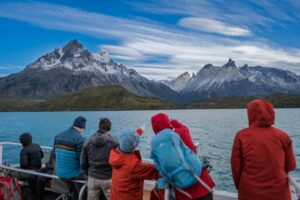
Chile stretches along South America’s western edge, offering deserts, mountains, vineyards, and glaciers. Because of this range, the best time to visit Chile depends on what you want to see and do. Still, you can plan a great trip with the right timing. From sunny beaches in the north to icy landscapes in the south, each season offers something special.
Moreover, Chile hosts lively festivals, rich cultural events, and seasonal highlights that can shape your experience. Therefore, knowing when to go helps you enjoy better weather, fewer crowds, and unique celebrations. In this guide, you will learn how each season affects travel and how to choose the perfect time for your trip.
Understanding Chile’s Unique Geography and Climate
Chile’s long, narrow shape creates several climate zones, so the weather varies greatly from north to south. The Atacama Desert in the north remains dry and warm year-round, while central Chile enjoys a Mediterranean climate with hot summers and mild winters. Meanwhile, Patagonia in the south experiences cold winds and unpredictable weather.
Because of this variation, travelers should plan based on specific regions rather than the country as a whole. For example, you might enjoy sunny conditions in Santiago while facing rain in the south. Therefore, understanding regional climates is key to determining the best time to visit Chile for your itinerary.
Visiting Chile in Summer (December to February)
Summer marks the peak travel season in Chile, especially in the central regions and Patagonia. During this time, temperatures rise and days grow longer, making it ideal for outdoor activities. Travelers flock to beaches near Valparaíso and explore hiking trails in Torres del Paine National Park.
However, summer also brings larger crowds and higher prices. Because of this, you should book accommodations early. Even so, if you want clear skies and vibrant city life, summer remains one of the most popular times for exploring Chile’s landscapes and culture.
Exploring Chile in Autumn (March to May)
Autumn offers a quieter and more relaxed travel experience. As temperatures cool, the crowds begin to fade, especially in major tourist areas. In central Chile, vineyards turn golden, making it a perfect time for wine tours and scenic drives through the countryside.
Additionally, the weather remains pleasant for city exploration and outdoor adventures. While southern regions are starting to cool down, they still offer stunning views without the peak-season traffic. Therefore, autumn stands out as a balanced option for those seeking comfort and beauty.
Discovering Chile in Winter (June to August)
Winter transforms Chile into a paradise for snow lovers. The Andes Mountains become a hotspot for skiing and snowboarding, with resorts near Santiago attracting visitors from around the world. This season provides excellent conditions for winter sports enthusiasts.
On the other hand, southern regions become colder and wetter, which may limit outdoor activities. Still, you can enjoy fewer tourists and lower prices in many areas. If you enjoy winter scenery and cozy experiences, this season can be the best time to visit Chile for a unique perspective.
Experiencing Chile in Spring (September to November)
Spring brings new life to Chile, with blooming flowers and warming temperatures across the country. This season offers ideal conditions for exploring both cities and natural landscapes. As crowds remain moderate, travelers can enjoy attractions without the rush of peak season.
Furthermore, spring hosts one of Chile’s most important celebrations, Fiestas Patrias, in September. This festival fills the country with music, dancing, and traditional food. Because of this, spring provides both cultural richness and comfortable travel conditions.
Festivals and Cultural Events to Consider
Chile’s festivals play a major role in shaping travel experiences. Fiestas Patrias stands out as the biggest national celebration, offering a deep look into Chilean traditions. Meanwhile, events like the Valparaíso Carnival add color and excitement to coastal cities.
In addition, music festivals and local fairs take place throughout the year. These events allow travelers to connect with local culture in meaningful ways. Therefore, aligning your trip with festivals can enhance your journey and help you discover the true spirit of Chile.
Travel Tips for Planning Your Trip
Planning ensures a smooth and enjoyable experience in Chile. Since seasons vary by region, you should pack layers to adapt to changing weather. Also, booking flights and accommodations early can help you save money during peak times.
Moreover, consider your travel goals when choosing your dates. If you prefer outdoor adventures, summer or spring works best. However, if you enjoy fewer crowds, autumn or winter may suit you better. With proper planning, you can find the best time to visit Chile based on your interests.
Choosing the Best Time Based on Your Interests
Your ideal travel time depends on what you want to explore. For hiking and nature, summer offers the best conditions, especially in Patagonia. Meanwhile, wine lovers may prefer autumn for vineyard tours and harvest events.
At the same time, winter attracts those seeking snow sports, while spring appeals to travelers who enjoy festivals and blooming landscapes. Therefore, aligning your travel goals with seasonal highlights helps you create a memorable experience in Chile.
Chile offers something special in every season, so your timing can shape your entire journey. Whether you chase sunshine, festivals, or adventure, you can find the ultimate Chile travel timing guide that matches your plans. By understanding the country’s diverse climates and events, you can make smarter travel decisions.
The best time to visit Chile depends on your preferences and priorities. However, with the right approach, every season offers unique rewards. Plan carefully, stay flexible, and you will enjoy an unforgettable trip across this stunning and diverse country.