Best Fishing Gear for Beginners: A Simple Guide to Getting Started


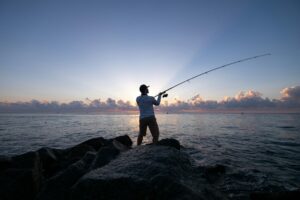
Starting your first fishing trip should feel exciting, not confusing. Yet beginners often see hundreds of rods, reels, hooks, lines, and other products when they start shopping. It can be hard to know what you truly need. The good news is that fishing does not require a huge collection of equipment. A few reliable items can prepare you for many common fishing situations.
Choosing simple gear also makes learning easier. You can focus on casting, finding fish, and enjoying your time outdoors instead of dealing with complicated equipment. This guide explains the essential fishing gear beginners need and how each item can make your first trips safer, easier, and more enjoyable.
Choose a Fishing Rod That Feels Comfortable
Your fishing rod is one of the most important pieces of equipment you will buy. Beginners should look for a rod that feels comfortable and is easy to control. A medium-length rod works well for many common situations. It gives you enough reach for casting while remaining manageable when you hook a fish. You do not need an expensive model when you are learning.
Think about where you plan to fish before choosing a rod. A shorter rod can feel easier to handle around trees or small streams. A longer rod can help you cast farther across open water. Check the handle as well. You should be able to hold it comfortably for long periods. A comfortable rod makes practice easier and can help you develop better casting habits.
Start With an Easy-to-Use Fishing Reel
The reel stores your fishing line and helps you control a fish after it takes your bait. Beginners often find a spinning reel easy to learn. Its simple design makes casting straightforward, and you can quickly understand how to retrieve your line. Many affordable spinning reels offer enough strength for common freshwater fishing.
Make sure the reel feels smooth when you turn the handle. It should also fit your rod properly and feel balanced when you hold both pieces together. Avoid choosing a large reel simply because it looks stronger. A reel that matches your rod and target fish will feel much easier to use. Clean it after fishing and keep it dry during storage to help it last longer.
Select Fishing Line You Can Manage Easily
Fishing line connects you to everything happening below the surface. For beginners, a simple monofilament line is often a practical starting point. It is flexible, easy to tie, and affordable. It can handle many common freshwater fish and gives new anglers a forgiving option while they practice casting and tying knots.
The strength of your line should match the fish you expect to catch. Using line that is far heavier than necessary can make fishing less natural. Line that is too light may break when you hook a larger fish. Check your line before each trip. Remove sections that look damaged or rough. Fresh, properly maintained line can prevent lost fish and frustrating breaks.
Keep Hooks and Bait Simple
Hooks come in many shapes and sizes, but beginners do not need to understand every option. Choose a basic hook that matches the size of the fish and bait you plan to use. Smaller hooks can work well for common fish found in ponds and lakes. Keep hooks dry when storing them because moisture can cause rust and make them less effective.
Your bait does not need to be complicated either. Worms are a popular choice because many freshwater fish will eat them. Natural bait can help beginners learn how fish bite before experimenting with more advanced options. Artificial bait can also be useful once you gain confidence. Start with a small selection and learn how each choice behaves in the water before buying more.
Carry a Small and Organized Tackle Box
A tackle box keeps your fishing equipment protected and easy to find. You do not need a large box filled with every accessory in the store. A compact model can hold your hooks, weights, floats, spare line, and a few artificial baits. Keeping these items separated makes it easier to find what you need while you are standing near the water.
Organization also saves time during a fishing trip. Put similar items together and remove anything you rarely use. Check the box before leaving home so you know what is inside. A small pair of pliers and a safe line cutting tool are useful additions. Pliers can help you remove hooks, while a cutter allows you to trim fishing line cleanly.
Use Floats and Weights to Control Your Bait
A float can make fishing much easier for a beginner. It stays on the surface and helps you see when a fish touches or takes your bait. When the float moves suddenly or disappears below the water, you know it is time to pay attention. This simple visual signal can help you learn what different bites look like.
Small weights help your bait reach the desired depth. Without enough weight, some bait may stay too close to the surface. Too much weight can make the setup feel unnatural and harder to cast. Start with a small amount and adjust as needed. The goal is to place your bait where fish can find it while keeping your setup easy to control.
Wear the Right Clothing for a Fishing Trip
Comfortable clothing can make a major difference when you spend several hours outdoors. Choose clothes that match the weather and allow you to move freely. A lightweight shirt can protect you from the sun during warm weather. A hat can keep direct sunlight away from your face. Bring an extra layer when temperatures may change during the day.
Footwear matters as well. Banks, docks, and rocks can become wet and slippery. Wear shoes with good grip and enough support for the area you plan to visit. Sunscreen is also important, even when the sky looks cloudy. If rain is possible, bring suitable protection. Staying comfortable lets you focus on fishing rather than rushing home because you feel cold, wet, or overheated.
Make Safety Gear Part of Your Setup
Safety deserves the same attention as your rod and reel. A properly fitted life jacket is essential when you fish from a boat, kayak, or another type of watercraft. It can also provide valuable protection near deep or fast-moving water. Keep a basic first aid kit nearby so you can handle small cuts and other minor problems.
Bring enough drinking water, especially during warm weather. Tell someone where you are going if you plan to fish in an isolated location. Check the weather before you leave and avoid fishing during dangerous storms. Hooks are sharp, so handle them carefully and store them securely. Simple safety habits can prevent a relaxing fishing trip from becoming a stressful experience.
Buy Better Gear as Your Skills Improve
Beginners sometimes spend too much money before discovering what type of fishing they actually enjoy. Start with basic, dependable equipment instead. After several trips, you will understand your needs much better. You may discover that you prefer fishing from riverbanks, quiet ponds, large lakes, or boats. That experience can guide future purchases.
Upgrade your equipment when you have a clear reason to do so. You might want a different rod for larger fish or a new reel for a specific fishing style. Buying gear based on real experience helps you avoid unnecessary purchases. It also allows you to build a setup that matches the places you fish and the species you enjoy catching.