Most Effective Fishing Method for Consistent Success Today


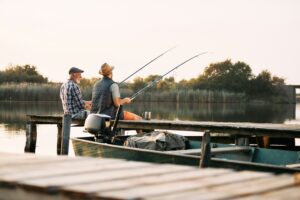
Fishing enthusiasts often debate which technique delivers the best results. However, the most effective fishing method depends on several factors, including the target species, water conditions, and angler experience. Even so, many experts agree that using live bait remains one of the most productive approaches because it naturally attracts fish and triggers feeding instincts. As a result, anglers often enjoy higher catch rates compared to artificial alternatives.
Moreover, successful fishing requires more than simply choosing the right bait. Understanding fish behavior, seasonal patterns, and environmental conditions can significantly improve results. Therefore, anglers who combine effective methods with knowledge and patience often achieve the greatest success on the water.
Why Live Bait Is Highly Effective
Live bait consistently ranks among the most successful fishing methods because it closely resembles a fish’s natural food source. Whether using worms, minnows, shrimp, or insects, anglers can present bait that fish readily recognize and trust. Consequently, fish are more likely to strike without hesitation.
In addition, live bait works well in various fishing environments, including lakes, rivers, ponds, and coastal waters. Because it produces natural movement, scent, and appearance, it appeals to a wide range of species. Therefore, both beginners and experienced anglers often rely on live bait when targeting fish under challenging conditions.
The Advantages of Artificial Lures
Although live bait is highly effective, artificial lures offer several unique advantages. For example, lures allow anglers to cover more water quickly and target active fish. Furthermore, they come in countless designs that imitate baitfish, insects, and other prey species.
Another benefit is convenience. Unlike live bait, artificial lures do not require special storage or frequent replacement. Additionally, anglers can experiment with different colors, sizes, and retrieval techniques to identify what fish prefer on a given day. As a result, skilled lure anglers can achieve impressive success rates.
Fly Fishing for Select Species
Fly fishing is another highly effective method, especially for trout, salmon, and certain freshwater species. This technique uses lightweight artificial flies designed to imitate insects and other natural food sources. Consequently, it allows anglers to present bait with exceptional precision.
Furthermore, fly fishing provides a unique and engaging experience that emphasizes skill and technique. Because anglers must carefully match local insect activity and water conditions, success often depends on observation and timing. Therefore, dedicated fly fishers can enjoy both challenging and rewarding fishing adventures.
Bottom Fishing for Reliable Results
Bottom fishing is particularly effective when targeting species that feed near the lakebed or ocean floor. Anglers typically use weighted rigs to keep bait close to the bottom, where many fish naturally search for food. As a result, this method consistently produces catches in both freshwater and saltwater environments.
Moreover, bottom fishing works well for species such as catfish, snapper, grouper, and carp. Since these fish often remain near the bottom for extended periods, presenting bait in their feeding zone increases the likelihood of success. Therefore, many anglers consider bottom fishing one of the most dependable techniques available.
Factors That Influence Fishing Success
While selecting the right method is important, several external factors also affect fishing outcomes. For instance, weather conditions, water temperature, time of day, and seasonal changes can all influence fish activity. Consequently, anglers should adjust their strategies according to current conditions.
Likewise, understanding local fish behavior can make a significant difference. Fish tend to gather around structures such as rocks, vegetation, docks, and drop-offs. Therefore, anglers who identify productive locations and adapt their methods accordingly often experience better results than those who rely solely on equipment.
Choosing the Best Method for Your Needs
The most effective fishing method ultimately depends on your goals and target species. If maximizing catch rates is the primary objective, live bait often provides the best overall performance. However, artificial lures, fly fishing, and bottom fishing each offer distinct advantages that can be highly effective in the right situations.
Ultimately, successful anglers remain flexible and willing to adapt. By combining the appropriate fishing technique with knowledge of fish behavior and environmental conditions, anyone can improve their chances of landing more fish. As a result, fishing becomes both more productive and more enjoyable regardless of skill level.