Best Time for Hunting Deer, Ducks & More: A Complete Seasonal Guide for Hunters


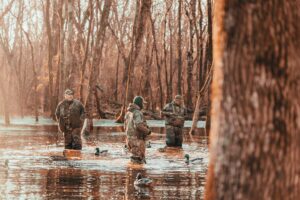
Hunting success depends on timing, and the best time to hunt varies with seasons, weather, and animal behavior. While many hunters focus on gear and location, timing often plays a bigger role in the outcome. Therefore, understanding when animals move, feed, and migrate can give you a clear edge. In this guide, you will learn how to identify the best times to hunt deer, ducks, and other game, so you can plan smarter, hunt more efficiently, and increase your success in the field.
Understanding Seasonal Patterns in Hunting
Seasonal changes shape animal behavior and strongly influence the best time to hunt. As temperatures shift and daylight hours change, animals adjust their feeding and movement patterns. For example, deer increase activity in the fall due to breeding, while ducks migrate as winter approaches. Because of this, hunters who track seasonal patterns can predict when animals will be most active.
In addition, state hunting seasons align with these natural patterns to protect wildlife and ensure fair hunting practices. Therefore, you must always check local regulations before planning your trip. When you combine legal seasons with knowledge of animal behavior, you can hunt during peak activity periods and improve your chances of success.
Best Time for Hunting Deer
The best time for hunting deer often occurs during early morning and late evening hours. During these times, deer leave their bedding areas to feed, which increases movement. As a result, hunters who position themselves near feeding zones or travel routes often see more action. Moreover, cooler temperatures during these hours make deer more comfortable and active.
The rut, or breeding season, offers one of the best times for hunting opportunities. During this period, bucks move more frequently and may travel during daylight hours in search of does. Therefore, hunters often focus on mid to late fall for the best results. However, pressure from other hunters can push deer into hiding, so choosing less crowded areas can make a big difference in your success.
Best Time for Hunting Ducks
Duck hunting depends heavily on migration and weather conditions, which makes timing critical. The best time for hunting ducks usually begins when cold fronts move through an area. As temperatures drop, ducks migrate south in search of food and open water. Because of this, hunters who track weather systems often find better opportunities.
Early morning provides the most active period for duck hunting. At sunrise, ducks fly from their roosts to feeding areas, creating steady movement. In addition, late afternoon can yield good results as ducks return to the water. Therefore, setting up before dawn and staying until sunset can maximize your chances of success.
How Weather Impacts Hunting Success
Weather plays a major role in determining the best time for hunting. Cooler temperatures often increase animal movement, while extreme heat can reduce activity. Therefore, hunters should plan trips during favorable weather conditions to improve their odds. Wind direction also matters because animals rely on their sense of smell to detect danger.
Rain can influence hunting in different ways depending on intensity. Light rain often keeps animals active and can even help mask noise and scent. However, heavy rain or storms usually push animals into cover, which reduces visibility. Because of this, hunters should adjust their strategies based on current conditions and remain flexible in their plans.
Regional Differences in Hunting Timing
The best time for hunting varies by region, and local conditions play a key role. Northern states experience earlier seasons due to colder climates, while southern states often have longer hunting periods. Therefore, hunters must understand how geography affects animal behavior and timing.
Migration patterns also differ across regions, especially for waterfowl. Ducks follow specific flyways, and peak hunting times shift as birds move south. As a result, hunters in different areas may experience peak activity at different times of year. By studying regional trends, you can better plan your hunts and target the right time for success.
Choosing the Right Time of Day
Time of day remains one of the most important factors in hunting success. The best time for hunting usually includes dawn and dusk, when animals feel safe enough to move and feed. During these periods, visibility improves and animal activity increases, which creates more opportunities for hunters.
However, midday hunting can still be effective under certain conditions. During the rut, deer may move throughout the day, giving hunters additional opportunities. In addition, cloudy weather can extend active periods beyond the usual hours. Therefore, staying in the field longer and adapting to changing conditions can lead to better results.
Best Time for Hunting Other Game
While deer and ducks remain popular targets, other game species also follow predictable patterns. For example, turkey hunting works best in the early morning when birds leave their roosts. Similarly, small game such as rabbits and squirrels show more activity during cooler parts of the day. Because of this, timing plays a key role across all types of hunting.
Predators like coyotes often move during early morning or late evening. In addition, nighttime hunting can be effective for certain species where legal. Therefore, understanding each animal’s habits helps you determine the best time for hunting beyond just deer and ducks. This knowledge allows you to expand your hunting opportunities year-round.