Fishing Tips for Everyday Anglers Who Want Better Results on the Water


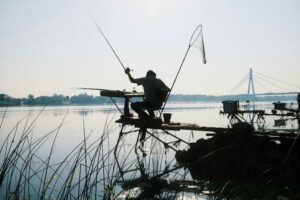
Fishing is one of the most popular outdoor activities in the world. People fish to relax, to bond with family, or to bring home food. Many beginners feel excited but also confused. They buy gear and go to the water, yet the fish do not bite. That is where fishing tips become essential. Simple can change the whole experience. You do not need expensive tools or expert skills. You need patience, observation, and basic knowledge. Fishing tips help anglers understand fish behavior. They also allow anglers to choose the right place and time. With the right tips, anyone can enjoy better success.
Fishing Tips for Choosing the Right Fishing Spot
Finding the right fishing spot is one of the most essential tips for fishing. Fish do not swim everywhere in equal numbers. They look for food, shelter, and safety. Good fishing spots often have structure. Structure includes rocks, weeds, fallen trees, or docks. These places protect fish from strong currents and predators. Fish also gather where food is readily available. Shallow areas near deeper water are often productive. Rivers’ bends, and lake edges are good starting points. Observing the water helps a lot. Look for movement, ripples, or birds feeding. These signs often mean fish are nearby.
Fishing tips also suggest learning the local area. Talk to local anglers or bait shops. They know which spots work well during different seasons. Public lakes and rivers often have fishing maps. These maps show depth and underwater features. Time also affects the spot choice. Fish move during the day. Morning and evening are usually better than midday. Sunlight and water temperature matter. Using these fishing tips helps anglers save time. Instead of guessing, they fish where fish already live.
Fishing Tips for Selecting the Best Bait and Lures
Bait choice is another key part of fishing tips. Fish eat different foods based on their species and location. Some fish prefer live bait, such as worms or minnows. Others strike artificial lures that look like insects or small fish. Knowing what fish eat helps anglers choose better bait. Natural bait often works well for beginners. Worms attract many freshwater fish. Shrimp and squid are well-suited to saltwater. Live bait smells and moves naturally, which attracts fish.
Fishing tips also include using lures correctly. Lures come in many shapes and colors. Some float while others sink. Bright colors work well in muddy water. Natural colors work better in clear water. Movement matters more than color. Slow and steady action often works better than fast movement. Changing lures is part of learning. If fish do not bite, try something new. These tips teach patience and testing. Over time, anglers learn what works best in their area.
Fishing Tips for Understanding Fish Behavior
Understanding fish behavior makes fishing easier. Fish react to weather, light, and water temperature. Fishing tips often stress observation. Fish are cold-blooded animals. They become more active in certain temperatures. In warm water, fish may swim deeper to stay cool. In cooler water, fish may move to shallow areas. Cloudy days can be good for fishing. Fish feel safer without bright sunlight.
Also, explain feeding patterns. Many fish feed more during early morning and late evening. This is when insects and smaller fish are active. Tides matter in saltwater fishing. Moving tides often bring fish closer to shore. Moon phases also affect fish activity. Full and new moons can increase feeding. Watching nature helps anglers improve. These fishing tips show that fishing is not random. Fish behavior follows patterns. Learning these patterns leads to better results.
Fishing Tips for Using the Right Gear and Setup
Using the right gear makes fishing more comfortable and practical. Fishing tips often recommend starting simple. A basic rod and reel work for most beginners. The rod should match the type of fishing. Light rods are suitable for small fish. Stronger rods handle larger fish. Line strength matters too. Thin lines are less visible in clear water. Strong lines help when fishing near rocks or weeds.
Also, focus on proper setup. Knots must be tight and secure. A weak knot can lose a fish. Hooks should match the bait size. Too large or too small hooks reduce success. Keeping gear clean helps performance. Rinse rods and reels after use. This is important for saltwater fishing. Well-maintained gear lasts longer. These fishing tips reduce frustration. When gear works well, anglers focus on enjoying the experience.
Fishing Tips for Patience, Timing, and Practice
Patience is one of the most crucial fishing tips. Fishing is not about constant action. Sometimes fish bite quickly. Other times, waiting is part of the process. New anglers often move too fast. They change spots too frequently or reel too quickly. Fishing tips suggest slowing down. Let the bait sit longer. Give the fish time to notice it.
Timing also plays a significant role. Fishing tips highlight the value of planning. Checking weather forecasts helps. Calm days are more manageable for beginners. Wind affects casting and fish movement. Water levels also change fishing conditions. Practice improves skill and confidence. Casting becomes smoother with time. Learning from mistakes is part of the fishing process. Each trip teaches something new. These fishing tips show that success grows over time. Fishing rewards those who stay calm and enjoy the process.